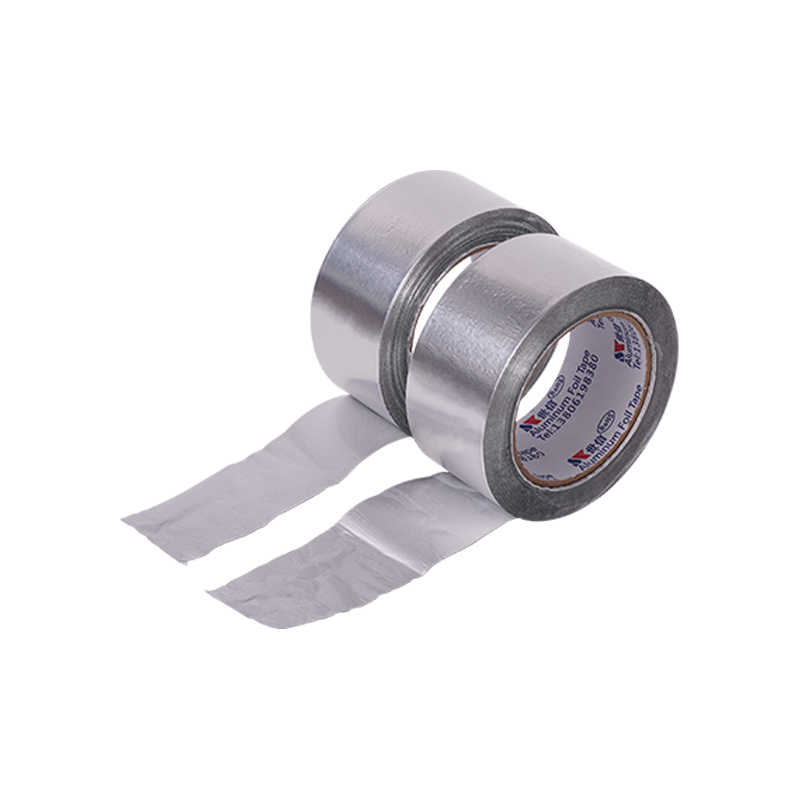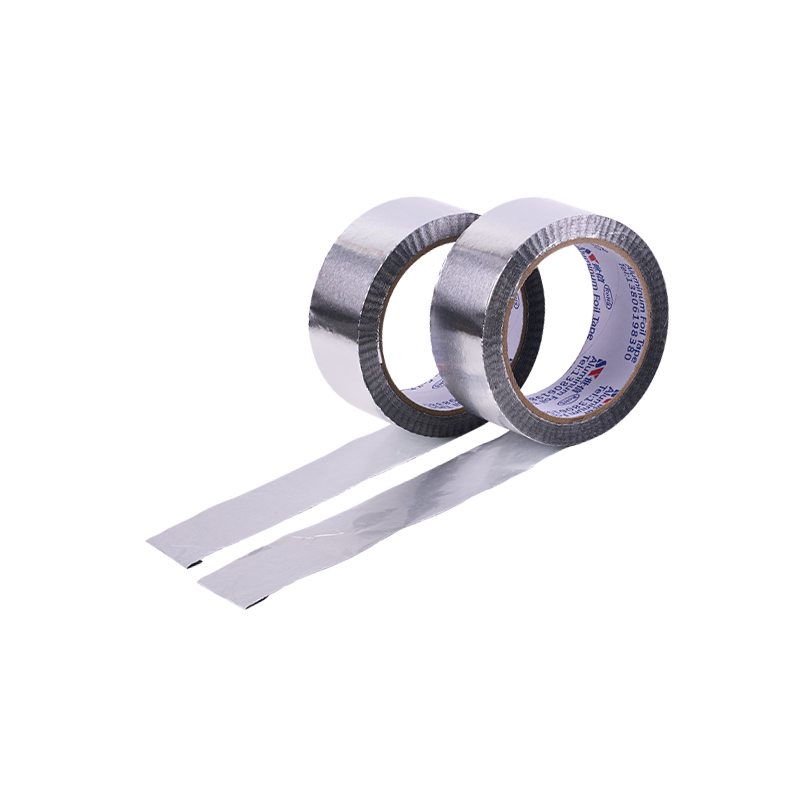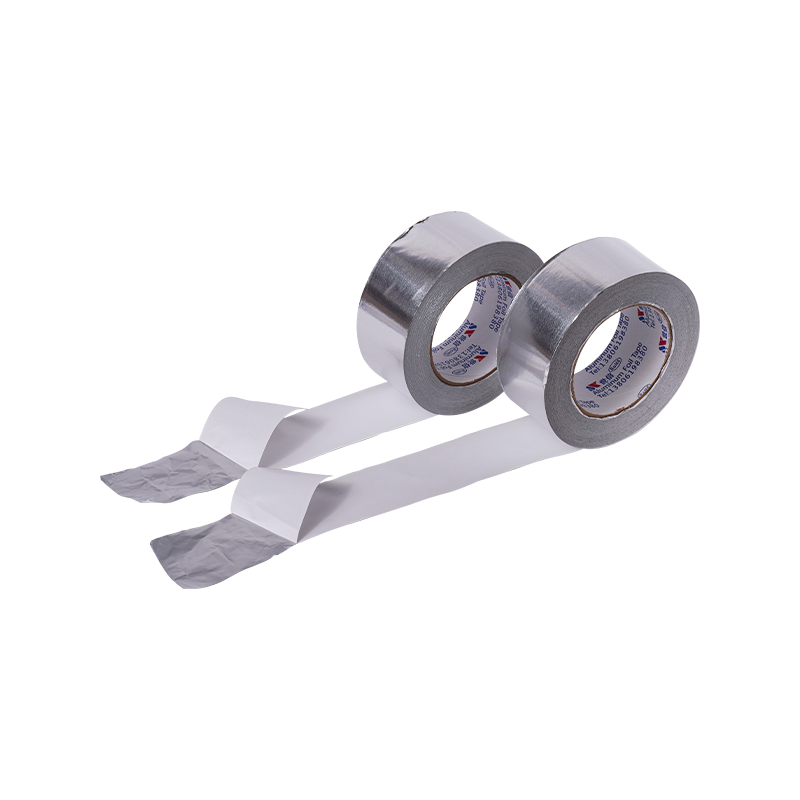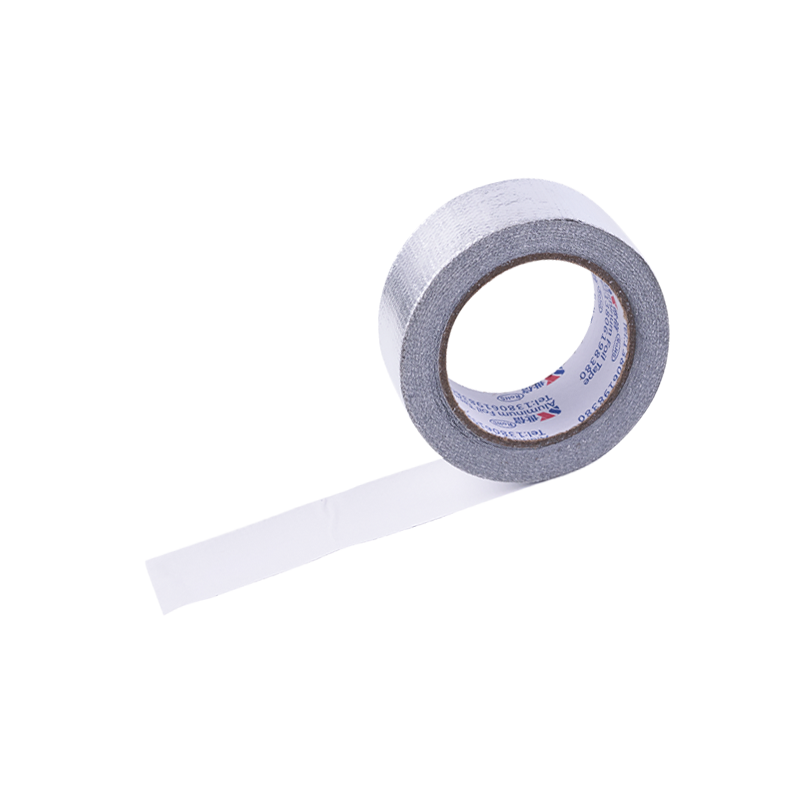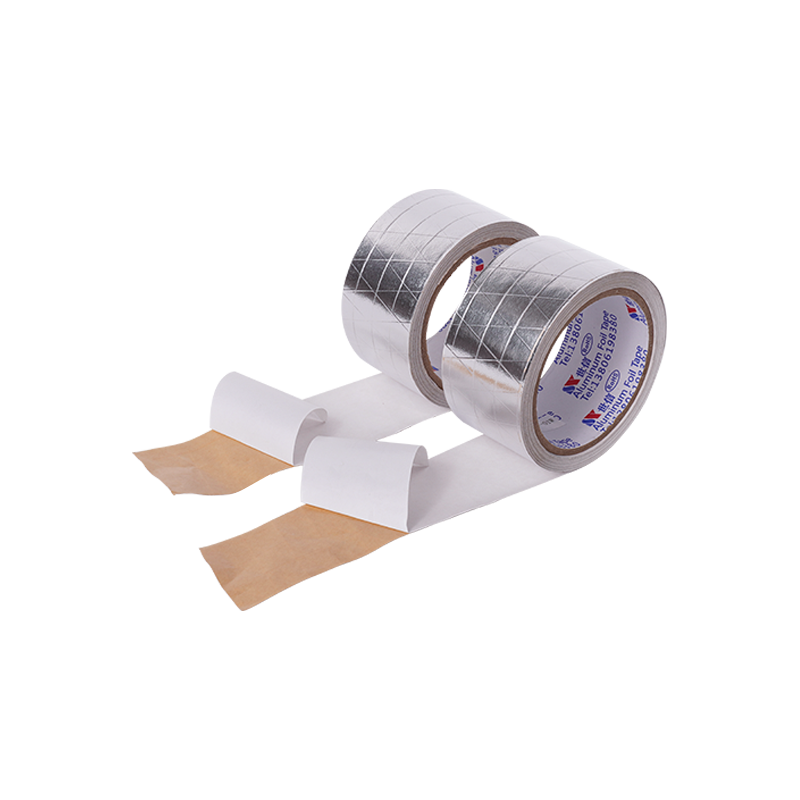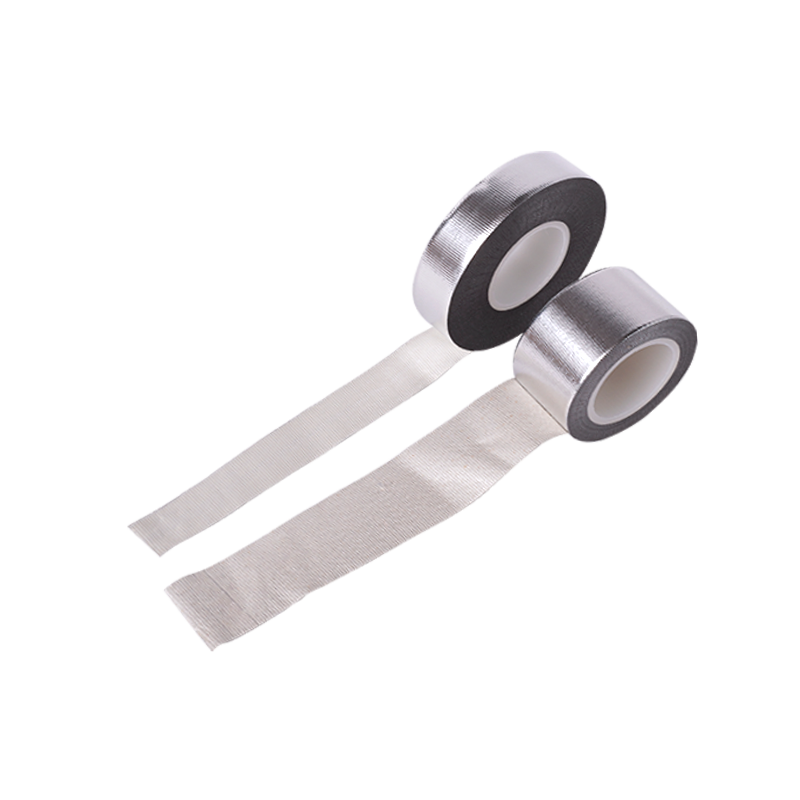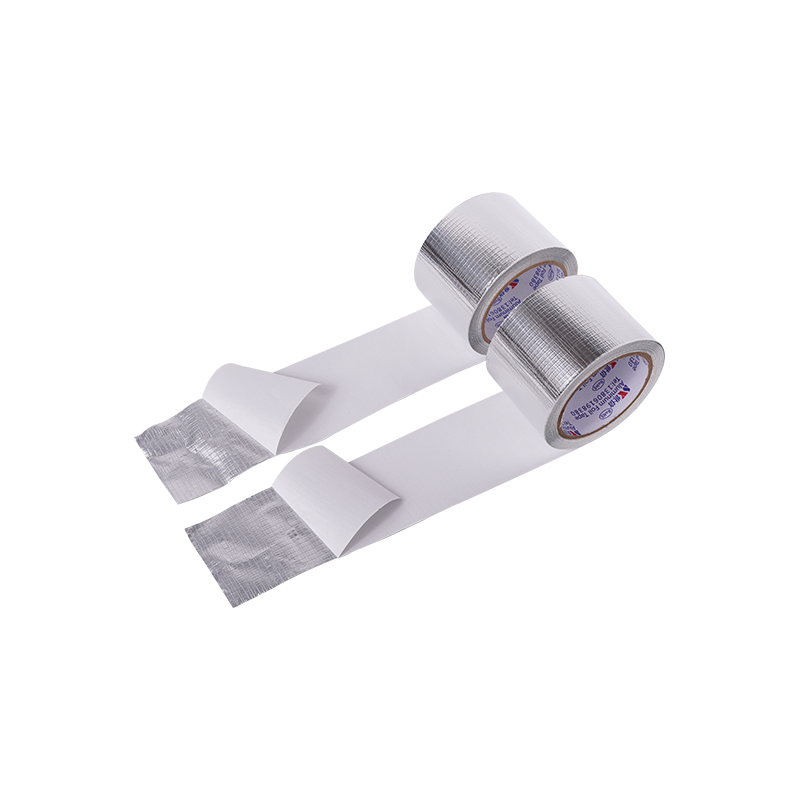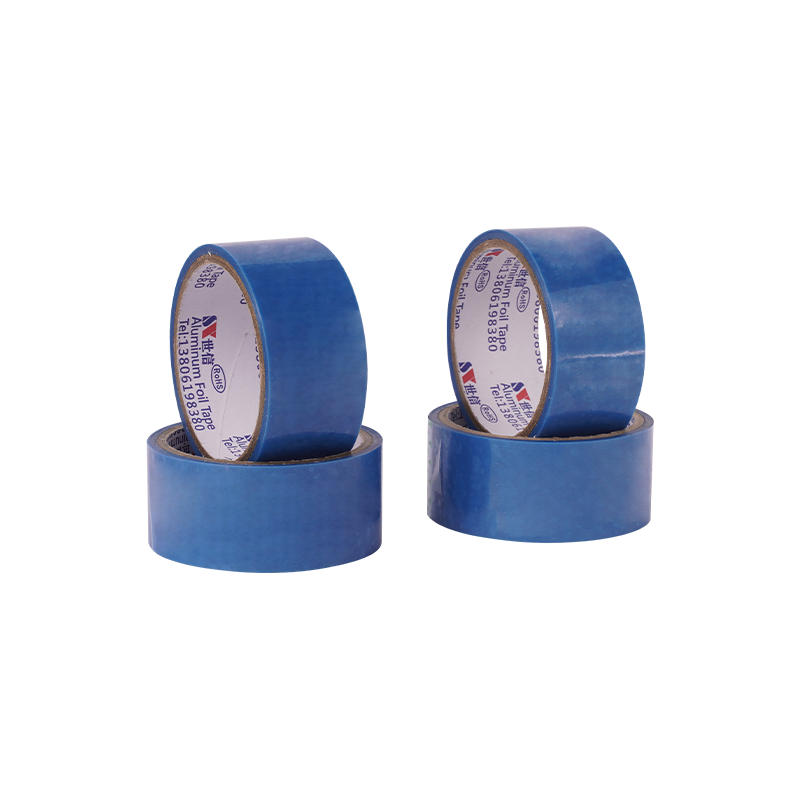
Wysokotemperaturowa taśma z folii aluminiowej z warstwą oddzielającą to przemysłowy materiał klejący przeznaczony do zastosowań wymagających niezawodnego łączenia, odporności na ciepło i ochrony powierzchni w warunkach podwyższonej temperatury. Składa się z trzech głównych warstw: podkładu z folii aluminiowej, warstwy samoprzylepnej odpornej na ciepło i usuwalnej warstwy rozdzielającej, która chroni powierzchnię kleju przed nałożeniem.
Połączenie folii aluminiowej i wysokowydajnego kleju zapewnia skuteczne odbijanie ciepła, ekranowanie termiczne, odporność na wilgoć i ochronę mechaniczną. Warstwa rozdzielająca poprawia efektywność manipulacji podczas przechowywania, cięcia i instalacji, dzięki czemu nadaje się do przemysłowych procesów produkcyjnych, gdzie wymagana jest precyzyjna aplikacja i stała wydajność.
Wydajność taśmy z folii aluminiowej zależy od interakcji pomiędzy każdą warstwą. Każdy element przyczynia się do ogólnej niezawodności taśmy w wymagających środowiskach.
W zastosowaniach wysokotemperaturowych zwykłe materiały klejące mogą wykazywać zmniejszoną siłę wiązania, starzenie się lub uszkodzenie powierzchni. Wysokotemperaturowa taśma z folii aluminiowej z warstwą oddzielającą została zaprojektowana, aby sprostać tym wyzwaniom dzięki zrównoważonej strukturze materiału.
| Komponent | Główna funkcja | Korzyści przemysłowe |
| Warstwa folii aluminiowej | Odbicie ciepła i ochrona barierowa | Wspomaga ekranowanie termiczne i ochronę powierzchni |
| Klej wysokotemperaturowy | Zapewnia mocne i trwałe połączenie | Utrzymuje przyczepność w wymagających środowiskach |
| Zwolnij wkładkę | Chroni klej przed użyciem | Poprawia wydajność przechowywania, obsługi i przetwarzania |
Wybierając wysokotemperaturową taśmę z folii aluminiowej z warstwą oddzielającą do zastosowań przemysłowych, producenci zwykle oceniają kilka czynników technicznych, aby zapewnić zgodność ze środowiskiem pracy.
| Współczynnik wydajności | Rozpatrzenie |
| Odporność na temperaturę | Taśma powinna utrzymywać przyczepność i stabilność strukturalną w wymaganym zakresie temperatur pracy. |
| Grubość folii | Wpływa na trwałość, elastyczność i zdolność odbijania ciepła. |
| Kompatybilność kleju | Określa niezawodność łączenia na różnych powierzchniach, takich jak metal, materiały izolacyjne i komponenty przemysłowe. |
| Zwolnij wkładkę Quality | Wpływa na wydajność przetwarzania, wydajność usuwania podkładu i spójność produkcji. |
Warstwa rozdzielająca jest ważną częścią rozwiązań w zakresie taśm z folii aluminiowej stosowanych w środowiskach produkcyjnych. Bez odpowiedniego zabezpieczenia powierzchnie klejące mogą gromadzić kurz, tracić jednolitość lub stać się trudne w obróbce podczas przechowywania i transportu.
Dobrze zaprojektowana warstwa rozdzielająca umożliwia łatwiejszą obsługę podczas cięcia, laminowania i zautomatyzowanych procesów aplikacji. Dzięki temu taśma jest bardziej odpowiednia dla branż wymagających powtarzalnych operacji produkcyjnych i precyzyjnego ułożenia materiału.
Dzięki połączeniu połączenia odpornego na ciepło, ochrony folią aluminiową i wygodnych funkcji przetwarzania, wysokotemperaturowa taśma z folii aluminiowej z podkładką oddzielającą stanowi niezawodne rozwiązanie do zastosowań przemysłowych wymagających zarządzania temperaturą, wsparcia izolacyjnego i długotrwałej przyczepności.
Wysokotemperaturowa taśma z folii aluminiowej z podkładką zabezpieczającą została zaprojektowana tak, aby zachować niezawodne działanie pod wpływem podwyższonych temperatur, wahań termicznych i wymagających warunków przemysłowych. W przeciwieństwie do zwykłych materiałów klejących, które mogą ulegać zmiękczeniu, utracie przyczepności lub starzeniu się pod wpływem ciepła, wysokotemperaturowa taśma z folii aluminiowej łączy w sobie odporny na ciepło system klejący z podłożem z folii aluminiowej, aby zapewnić stabilne połączenie i ochronę termiczną.
Wydajność taśmy z folii aluminiowej w środowiskach o wysokiej temperaturze zależy od kilku czynników, w tym odporności kleju na temperaturę, grubości i jakości warstwy folii aluminiowej, zgodności powierzchni i czasu ekspozycji. Zrozumienie tych czynników pomaga producentom wybrać odpowiednie rozwiązania taśmowe do zastosowań związanych z zarządzaniem ciepłem, izolacją i ochroną.
Warstwa folii aluminiowej odgrywa ważną rolę w zastosowaniach wysokotemperaturowych. Dzięki swojej metalicznej strukturze aluminium zapewnia doskonałą zdolność odbijania ciepła i pomaga zmniejszyć wpływ ciepła promieniowania na chronione powierzchnie.
Warstwa kleju określa, czy taśma z folii aluminiowej może utrzymać bezpieczne połączenie w ciągłych lub przerywanych warunkach ogrzewania. W środowiskach o wysokiej temperaturze działanie kleju musi pozostać stabilne, aby zapobiec podnoszeniu się krawędzi, odrywaniu lub zmniejszeniu skuteczności uszczelnienia.
Do ważnych czynników wpływających na wydajność kleju zalicza się:
| Współczynnik wydajności | Wpływ na wydajność aplikacji |
| Odporność na temperaturę | Określa, czy taśma może zachować przyczepność i strukturę podczas ciągłego lub krótkotrwałego narażenia na ciepło. |
| Grubość folii aluminiowej | Wpływa na wytrzymałość mechaniczną, trwałość, elastyczność i zdolność odbijania ciepła. |
| Preparat klejący | Wpływa na siłę wiązania, odporność na starzenie i długoterminową niezawodność. |
| Powierzchnia aplikacji | Określa, jak skutecznie klej może ustanowić stabilne połączenie. |
| Czas ekspozycji | Długotrwała ekspozycja na temperaturę wymaga większej stabilności materiału w porównaniu z zastosowaniami krótkotrwałymi. |
Różne rozwiązania w zakresie taśm z folii aluminiowej są przeznaczone do różnych warunków pracy. Wersje wysokotemperaturowe skupiają się na utrzymaniu wydajności w środowiskach, w których odporność na ciepło i długoterminowa niezawodność wiązania mają kluczowe znaczenie.
| Funkcja | Taśma z folii aluminiowej o wysokiej temperaturze | Standardowa taśma z folii aluminiowej |
| Ekspozycja na ciepło | Zaprojektowany do środowisk o podwyższonej temperaturze i zapewniający większą stabilność | Nadaje się głównie do zastosowań w normalnej temperaturze |
| Wydajność kleju | Utrzymuje silniejsze wiązanie podczas naprężeń termicznych | Może wystąpić zmniejszona przyczepność pod wpływem ciągłego ciepła |
| Obszary zastosowań | Izolacje przemysłowe, ochrona termiczna, zastosowania elektryczne i sprzętowe | Ogólne uszczelnianie, owijanie i ochrona powierzchni |
| Długoterminowa niezawodność | Zaprojektowany do zastosowań wymagających stałej wydajności przez dłuższy czas | Bardziej odpowiedni dla mniej wymagających środowisk |
Wiele zastosowań przemysłowych obejmuje powtarzające się cykle ogrzewania i chłodzenia, a nie stałą ekspozycję na temperaturę. Podczas cykli termicznych materiały rozszerzają się i kurczą, co może powodować naprężenia pomiędzy taśmą a łączoną powierzchnią.
Taśma z folii aluminiowej o wysokiej temperaturze pomaga sprostać tym wyzwaniom poprzez:
Dla producentów przemysłowych niezawodność materiałów w podwyższonych temperaturach bezpośrednio wpływa na ochronę sprzętu, stabilność produkcji i wymagania konserwacyjne. Odpowiednie rozwiązanie w postaci taśmy z folii aluminiowej powinno nie tylko być odporne na ciepło, ale także utrzymywać siłę wiązania, integralność strukturalną i wydajność przetwarzania przez cały okres użytkowania.
Łącząc odporny na ciepło system klejenia, trwały nośnik z folii aluminiowej i kontrolowaną konstrukcję materiału, wysokotemperaturowa taśma z folii aluminiowej z podkładką uwalniającą zapewnia niezawodne działanie w zastosowaniach wymagających ochrony termicznej, wsparcia izolacyjnego i długotrwałej przyczepności w trudnych warunkach.
Warstwa rozdzielająca jest ważnym składnikiem wysokotemperaturowej taśmy z folii aluminiowej z podkładką rozdzielającą, szczególnie w zastosowaniach przemysłowych, które wymagają precyzyjnej obróbki, czystej instalacji i stałej wydajności klejenia. Podczas gdy podłoże z folii aluminiowej i warstwa kleju zapewniają odporność na ciepło i zdolność łączenia, warstwa rozdzielająca chroni powierzchnię kleju przed użyciem i poprawia ogólną wydajność obsługi podczas procesów produkcyjnych.
Dla użytkowników przemysłowych warstwa rozdzielająca jest nie tylko warstwą ochronną, ale także kluczowym czynnikiem wpływającym na wydajność produkcji, stabilność przechowywania i dokładność aplikacji. Odpowiednio zaprojektowana warstwa rozdzielająca zapewnia płynną obróbkę taśmy podczas operacji cięcia, laminowania i automatycznego montażu.
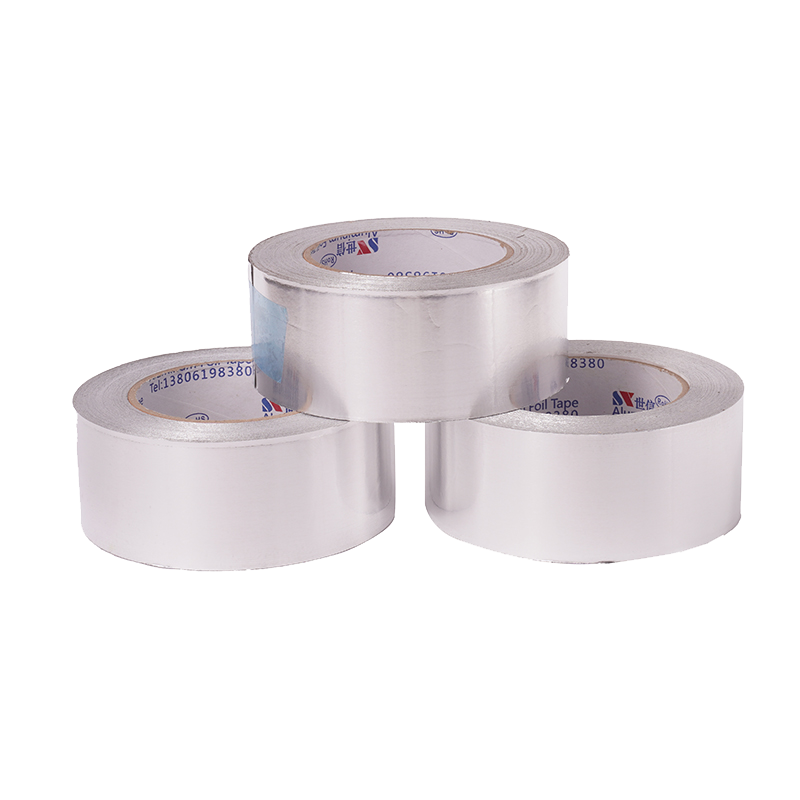
Warstwa klejąca taśmy z folii aluminiowej została zaprojektowana tak, aby zapewnić mocne wiązanie, ale bezpośrednie narażenie przed aplikacją może mieć wpływ na stan jej powierzchni. Kurz, wilgoć i inne zanieczyszczenia mogą obniżyć jakość przyczepności i powodować niespójności podczas instalacji.
Warstwa rozdzielająca zapewnia tymczasową barierę ochronną, która utrzymuje czystość i działanie kleju do czasu, aż taśma będzie gotowa do użycia.
W przemysłowych środowiskach produkcyjnych taśma z folii aluminiowej jest często przekształcana w określone szerokości, kształty lub elementy wycinane matrycowo. Warstwa rozdzielająca zapewnia dodatkowe wsparcie podczas tych procesów, umożliwiając producentom bardziej efektywną obsługę taśmy.
Chociaż warstwa rozdzielająca nie zapewnia bezpośrednio przyczepności ani odporności na ciepło, jej jakość wpływa na efektywność przechowywania, przetwarzania i nakładania taśmy. Różne właściwości wykładziny mogą mieć wpływ na wydajność produkcji i wygodę użytkownika.
| Zwolnij wkładkę Factor | Wpływ na aplikację |
| Siła uwolnienia | Określa, jak łatwo można usunąć podkład bez uszkodzenia warstwy kleju. |
| Grubość wykładziny | Wpływa na wytrzymałość, stabilność obróbki i zgodność z operacjami cięcia. |
| Jednolitość powierzchni | Pomaga utrzymać stały kontakt z warstwą kleju podczas przechowywania. |
| Odporność na wilgoć | Wspiera ochronę kleju w różnych środowiskach przechowywania. |
Różne zastosowania przemysłowe mogą wymagać różnych właściwości warstwy rozdzielającej, w zależności od metod przetwarzania i warunków pracy. Wybór odpowiedniego podkładu pomaga producentom osiągnąć lepszą spójność produkcji.
| Wymaganie | Zalecana charakterystyka podkładki rozdzielającej | Korzyści z zastosowania |
| Szybkie przetwarzanie | Stabilna struktura wyściółki z kontrolowanym uwalnianiem | Wspiera wydajną, zautomatyzowaną produkcję |
| Precyzyjne sztancowanie | Dobra stabilność wymiarowa i gładka powierzchnia | Poprawia dokładność cięcia i spójność komponentów |
| Przechowywanie długoterminowe | Niezawodna ochrona przed wilgocią i zanieczyszczeniami | Utrzymuje przyczepność przed użyciem |
| Instalacja ręczna | Łatwe usuwanie podkładu ze stabilną ochroną kleju | Poprawia wygodę aplikacji |
Wybór pomiędzy taśmą z folii aluminiowej z przekładką a taśmą bez przekładki zależy od zamierzonego sposobu aplikacji. W przypadku produkcji przemysłowej warstwa rozdzielająca często zapewnia dodatkowe korzyści w zakresie przetwarzania i kontroli jakości.
| Funkcja | Z wkładką zwalniającą | Bez podkładki zwalniającej |
| Ochrona kleju | Zapewnia ochronę przed aplikacją | Powierzchnia klejąca pozostaje odsłonięta |
| Wydajność przetwarzania | Nadaje się do cięcia, laminowania i automatycznej obsługi | Bardziej ograniczone do precyzyjnego przetwarzania |
| Stabilność przechowywania | Pomaga utrzymać dobrą przyczepność podczas przechowywania | Wymaga bardziej ostrożnego obchodzenia się |
| Kontrola aplikacji | Umożliwia dokładne ustawienie przed klejeniem | Wymaga szybszej aplikacji po ekspozycji |
W przypadku producentów stosujących wysokotemperaturową taśmę z folii aluminiowej w wymagających środowiskach warstwa rozdzielająca przyczynia się do bardziej spójnego przetwarzania i niezawodnych wyników aplikacji. Pomaga zmniejszyć straty materiałów, poprawia wydajność obsługi i wspiera stabilne przepływy pracy w produkcji.
Chroniąc warstwę kleju i umożliwiając precyzyjną aplikację, wysokiej jakości warstwa rozdzielająca zwiększa ogólną wartość wydajności rozwiązań w zakresie taśm z folii aluminiowej stosowanych w ochronie termicznej, izolacji, zastosowaniach elektrycznych i procesach montażu przemysłowego.
Taśma z folii aluminiowej o wysokiej temperaturze z warstwą rozdzielającą jest szeroko stosowana w zastosowaniach przemysłowych, gdzie wymagana jest odporność na ciepło, ekranowanie termiczne, ochrona przed wilgocią i niezawodne wiązanie. Połączenie nośnika z folii aluminiowej, kleju odpornego na ciepło i warstwy ochronnej sprawia, że nadaje się do środowisk charakteryzujących się podwyższonymi temperaturami, promieniowaniem cieplnym, systemami izolacyjnymi i wymagającymi procesami montażowymi.
Różne branże używają taśmy z folii aluminiowej w oparciu o określone wymagania wydajnościowe. Czynniki takie jak temperatura robocza, materiał powierzchni, narażenie na środowisko i metoda przetwarzania określają najbardziej odpowiednią strukturę taśmy dla każdego zastosowania.
Urządzenia elektroniczne i układy elektryczne często wymagają skutecznego zarządzania temperaturą, ponieważ nadmierne ciepło może mieć wpływ na niezawodność podzespołów i żywotność. Taśma z folii aluminiowej o wysokiej temperaturze pomaga zapewnić osłonę termiczną, wsparcie izolacji i ochronę elektromagnetyczną w różnych zastosowaniach elektronicznych.
W przypadku zastosowań elektronicznych producenci zazwyczaj skupiają się na stabilności kleju, kompatybilności izolacji i długoterminowej wydajności przy wahaniach temperatury.
| Kluczowe wymaganie | Znaczenie w zastosowaniach elektronicznych |
| Stabilność termiczna | Pomaga utrzymać wydajność wiązania, gdy komponenty wytwarzają ciepło. |
| Cienka i elastyczna konstrukcja | Obsługuje instalację w ograniczonych przestrzeniach i złożonych układach komponentów. |
| Niezawodna przyczepność | Zapobiega podnoszeniu lub oddzielaniu podczas długotrwałej pracy. |
Systemy HVAC i systemy izolacyjne wymagają materiałów zapewniających trwałe uszczelnienie i ochronę termiczną w zmieniających się warunkach temperaturowych. Taśma z folii aluminiowej o wysokiej temperaturze jest powszechnie stosowana do klejenia warstw izolacyjnych, uszczelniania kanałów i zastosowań związanych z odbijaniem ciepła.
| Współczynnik zastosowania | Wymagania dotyczące wydajności |
| Zmiana temperatury | Wymaga stabilnej przyczepności podczas powtarzających się cykli ogrzewania i chłodzenia. |
| Kompatybilność powierzchni | Musi skutecznie łączyć się z materiałami izolacyjnymi i powierzchniami metalowymi. |
| Odporność na środowisko | Powinien być odporny na wilgoć, kurz i długotrwałe warunki ekspozycji. |
Układy samochodowe często zawierają obszary narażone na wysokie temperatury, wibracje i stres środowiskowy. Taśma z folii aluminiowej stosowana jest w zastosowaniach związanych z ochroną termiczną, gdzie ważne jest utrzymanie stabilności materiału i zapobieganie uszkodzeniom cieplnym.
Zastosowania motoryzacyjne zazwyczaj wymagają równowagi pomiędzy odpornością na ciepło, elastycznością, odpornością na wibracje i długoterminową przyczepnością.
| Funkcja wydajności | Wymagania motoryzacyjne |
| Odporność na ciepło | Utrzymuje wydajność w pobliżu elementów o wysokiej temperaturze. |
| Wytrzymałość mechaniczna | Zapewnia stabilne mocowanie w przypadku wibracji i ruchu. |
| Trwałość | Wspomaga długotrwałe użytkowanie w zmieniających się warunkach środowiskowych. |
Systemy akumulatorów i urządzenia energetyczne wymagają skutecznego zarządzania temperaturą, aby poprawić niezawodność działania. Taśma z folii aluminiowej o wysokiej temperaturze może być stosowana jako materiał stanowiący barierę termiczną, warstwę nośną izolacji i rozwiązanie ochronne w zastosowaniach związanych z energią.
Wybierając wysokotemperaturową taśmę z folii aluminiowej z warstwą oddzielającą do zastosowań przemysłowych, producenci powinni ocenić całe środowisko pracy, a nie skupiać się wyłącznie na odporności na temperaturę.
| Czynnik wyboru | Pytania do rozważenia |
| Temperatura pracy | W jakim zakresie temperatur będzie działać taśma podczas ciągłego i krótkotrwałego narażenia? |
| Powierzchnia klejenia | Czy taśma będzie stosowana do metalu, materiałów izolacyjnych, tworzyw sztucznych lub powierzchni kompozytowych? |
| Metoda aplikacji | Czy taśma jest instalowana ręcznie, czy przetwarzana na zautomatyzowanym sprzęcie produkcyjnym? |
| Warunki środowiskowe | Czy taśma będzie narażona na działanie wilgoci, wibracji, substancji chemicznych lub powtarzających się zmian temperatury? |
Połączenie właściwości klejących odpornych na ciepło, ochrony folii aluminiowej i wygody w postaci podkładki sprawia, że taśma z folii aluminiowej o wysokiej temperaturze nadaje się do szerokiej gamy środowisk przemysłowych. Niezależnie od tego, czy jest stosowana do ekranowania termicznego, wsparcia izolacji, ochrony elektrycznej czy montażu sprzętu, taśma stanowi praktyczne rozwiązanie tam, gdzie wymagane jest niezawodne działanie w warunkach ekspozycji na ciepło.
Wybierając odpowiednią strukturę taśmy w zależności od zakresu temperatur, warunków powierzchni i wymagań przetwarzania, producenci mogą osiągnąć bardziej stabilne właściwości łączenia i poprawić niezawodność swoich zastosowań końcowych.
Wybór odpowiedniej wysokotemperaturowej taśmy z folii aluminiowej z podkładką oddzielającą wymaga kompleksowej oceny warunków aplikacji, w tym ekspozycji na temperaturę, powierzchni klejenia, metody przetwarzania i długoterminowych wymagań dotyczących wydajności. Dla producentów przemysłowych wybór odpowiedniej taśmy to nie tylko kwestia odporności na ciepło, ale także zapewnienie niezawodnej przyczepności, stabilnego przetwarzania i stałej wydajności przez cały okres użytkowania.
Różne zastosowania mogą wymagać różnych struktur materiałowych. Taśma przeznaczona do izolacji termicznej może mieć inne wymagania niż ta stosowana do ochrony elektrycznej, osłony termicznej w samochodach lub montażu przemysłowego. Zrozumienie kluczowych czynników wyboru pomaga producentom osiągnąć lepsze wyniki w zastosowaniu i zmniejszyć potencjalne problemy z wydajnością.
Odporność na temperaturę jest jednym z najważniejszych czynników przy wyborze taśmy z folii aluminiowej do środowisk o wysokiej temperaturze. Taśma musi zachować przyczepność, integralność folii i ogólną stabilność w rzeczywistych warunkach pracy.
Oceniając działanie temperaturowe, producenci powinni wziąć pod uwagę:
| Uwzględnienie temperatury | Fokus wyboru | Wpływ aplikacji |
| Ciągła ekspozycja na ciepło | Stabilne działanie klejące przez dłuższy czas | Pomaga utrzymać długoterminową niezawodność wiązania |
| Wysoka temperatura szczytowa | Odporność na krótkotrwałe naprężenia termiczne | Zmniejsza ryzyko uszkodzenia kleju podczas skoków temperatury |
| Cykl temperaturowy | Elastyczny klej i stabilna struktura folii | Obsługuje powtarzające się warunki rozszerzania i kurczenia się |
Podłoże z folii aluminiowej wpływa na trwałość, elastyczność, zdolność odbijania ciepła i odporność na naprężenia mechaniczne. Różne zastosowania przemysłowe mogą wymagać różnych poziomów grubości folii w zależności od wymagań ochronnych.
| Grubość folii Selection | Główna charakterystyka | Odpowiednie wymagania |
| Cienka struktura folii | Elastyczne i łatwe w dopasowywaniu do różnych powierzchni | Zastosowania wymagające elastyczności i szczegółowej instalacji |
| Średnia struktura folii | Zrównoważona elastyczność i wytrzymałość mechaniczna | Ogólne zastosowania przemysłowej ochrony termicznej |
| Grubsza struktura folii | Większa trwałość i większa skuteczność bariery | Zastosowania wymagające dodatkowej ochrony i odporności |
Warstwa kleju bezpośrednio wpływa na niezawodność taśmy z folii aluminiowej po jej zamontowaniu. Nawet jeśli taśma ma doskonałą odporność na ciepło, niewłaściwa kompatybilność powierzchni może zmniejszyć skuteczność łączenia.
Przed wyborem taśmy producenci powinni ocenić:
| Stan powierzchni | Ważne wymagania dotyczące taśmy |
| Gładkie powierzchnie metalowe | Dobra przyczepność początkowa i stabilna wydajność wiązania |
| Materiały izolacyjne | Niezawodny kontakt z powierzchniami porowatymi lub teksturowanymi |
| Złożone komponenty przemysłowe | Elastyczny klej do nierównych powierzchni |
W przypadku produkcji przemysłowej wybór warstwy zabezpieczającej jest ściśle powiązany z wydajnością produkcji. Odpowiednia wykładzina poprawia obsługę, dokładność cięcia i spójność aplikacji.
| Metoda przetwarzania | Zalecana charakterystyka podkładki rozdzielającej |
| Instalacja ręczna | Łatwe usuwanie i dobra ochrona kleju |
| Precyzyjne cięcie | Stabilna konstrukcja i zgodność wymiarowa |
| Produkcja wielkoseryjna | Niezawodna wydajność uwalniania dla ciągłego przetwarzania |
| Wymagania aplikacji | Kluczowe cechy taśmy, które należy wziąć pod uwagę |
| Osłona termiczna | Jakość folii aluminiowej, zdolność odbijania ciepła, stabilność temperatury |
| Uszczelnienie izolacji | Niezawodność klejenia, odporność na wilgoć, kompatybilność powierzchni |
| Ochrona elektryczna | Stabilna przyczepność, skuteczność ekranowania, długoterminowa trwałość |
| Ochrona przed ciepłem w samochodzie | Odporność na ciepło, tolerancja na wibracje, stabilność środowiska |
Wybór odpowiedniej wysokotemperaturowej taśmy z folii aluminiowej z podkładką oddzielającą pomaga producentom uzyskać stabilne połączenie, wydajne przetwarzanie i niezawodną ochronę w wymagających środowiskach. Najbardziej odpowiednie rozwiązanie w zakresie taśm powinno odpowiadać rzeczywistej temperaturze roboczej, stanom powierzchni, wymaganiom przetwarzania i oczekiwanej żywotności.
Oceniając łącznie strukturę materiału, skuteczność klejenia, właściwości folii aluminiowej i konstrukcję warstwy rozdzielającej, użytkownicy przemysłowi mogą wybrać rozwiązanie w postaci taśmy, które zapewnia stałą wydajność w zastosowaniach związanych z zarządzaniem ciepłem, izolacją i ochroną.
Taśma z folii aluminiowej jest szeroko stosowana do uszczelniania, izolacji, ekranowania i ochrony powierzchni. Jednak nie wszystkie taśmy z folii aluminiowej są przeznaczone do tych samych warunków pracy. Gdy zastosowania wiążą się z podwyższonymi temperaturami, ciągłą ekspozycją na ciepło, cyklicznymi zmianami temperatury lub wymagającymi środowiskami przemysłowymi, wysokotemperaturowa taśma z folii aluminiowej z podkładką antyadhezyjną stanowi bardziej wyspecjalizowane rozwiązanie w porównaniu ze standardową taśmą z folii aluminiowej.
Główna różnica polega na połączeniu technologii klejenia, stabilności materiału i projektu obróbki. Wysokotemperaturowa taśma z folii aluminiowej została opracowana w celu utrzymania niezawodnego wiązania i integralności strukturalnej pod wpływem ciepła, podczas gdy standardowa taśma z folii aluminiowej jest ogólnie przeznaczona do uszczelniania i ochrony w normalnej temperaturze.
Podstawowa struktura taśmy z folii aluminiowej zwykle obejmuje nośnik z folii aluminiowej i warstwę kleju. Wersje wysokotemperaturowe dodają zoptymalizowane właściwości materiału, aby poprawić wydajność pod wpływem naprężeń termicznych.
| Komponent struktury | Taśma z folii aluminiowej o wysokiej temperaturze | Standardowa taśma z folii aluminiowej |
| Warstwa folii aluminiowej | Zaprojektowany z myślą o stabilnej wydajności w warunkach zwiększonej ekspozycji termicznej i naprężeń mechanicznych | Zapewnia podstawową ochronę barierową i odbicie ciepła |
| Warstwa kleju | Opracowany w celu utrzymania siły wiązania podczas ekspozycji na ciepło i zmian temperatury | Nadaje się do ogólnych warunków klejenia i uszczelniania |
| Zwolnij wkładkę | Wspiera precyzyjną obsługę, cięcie i przetwarzanie przemysłowe | Nie zawsze może zawierać podszewkę, w zależności od wymagań aplikacji |
Odporność na temperaturę jest jednym z najważniejszych czynników przy wyborze taśmy z folii aluminiowej. Ekspozycja na ciepło może wpływać na przepływ kleju, siłę wiązania i stabilność materiału. Wysokotemperaturowa taśma z folii aluminiowej została zaprojektowana w celu ograniczenia tych zmian wydajności w wymagających środowiskach.
| Aspekt wydajności | Taśma z folii aluminiowej o wysokiej temperaturze | Standardowa taśma z folii aluminiowej |
| Ciągła ekspozycja na ciepło | Zachowuje stabilniejszą przyczepność w podwyższonych temperaturach | Bardziej odpowiedni do środowisk o normalnej temperaturze |
| Cykl termiczny | Zaprojektowane, aby wytrzymać powtarzające się warunki ogrzewania i chłodzenia | Mogą wystąpić szybsze zmiany wydajności w przypadku częstych zmian temperatury |
| Starzenie się kleju | Zwiększona odporność na degradację związaną z ciepłem | Większy wpływ na nie ma długotrwałe narażenie na ciepło |
System klejenia określa, czy taśma z folii aluminiowej będzie w stanie utrzymać niezawodne połączenie po instalacji. W zastosowaniach przemysłowych uszkodzenie kleju może prowadzić do szczelin izolacyjnych, oddzielenia się materiału lub zmniejszenia skuteczności ochrony.
| Właściwości kleju | Taśma z folii aluminiowej o wysokiej temperaturze | Standardowa taśma z folii aluminiowej |
| Odporność na ciepło | Zaprojektowane z myślą o wyższej stabilności termicznej | Zaprojektowane głównie do standardowych warunków pracy |
| Utrzymanie wiązania | Zachowuje przyczepność podczas długotrwałej ekspozycji na temperaturę | Wydajność może spaść w przypadku ciągłego ogrzewania |
| Możliwość dostosowania do środowiska | Nadaje się do zastosowań związanych z ciepłem, wibracjami i zmianami temperatury | Bardziej odpowiedni dla mniej wymagających środowisk |
Środowisko aplikacji określa, czy konieczna jest wydajność w wysokich temperaturach. Wybór odpowiedniego typu taśmy pomaga zwiększyć niezawodność i ograniczyć konserwację spowodowaną awarią materiału.
| Obszar zastosowań | Taśma z folii aluminiowej o wysokiej temperaturze | Standardowa taśma z folii aluminiowej |
| Ochrona termiczna | Nadaje się do zastosowań związanych z osłonami termicznymi i izolacją wysokotemperaturową | Nadaje się do podstawowego odbijania ciepła i uszczelniania |
| Sprzęt Przemysłowy | Stosowane tam, gdzie ważna jest ekspozycja na ciepło i długoterminowa niezawodność | Stosowany do ogólnej ochrony sprzętu |
| Zastosowania elektryczne | Nadaje się do środowisk wymagających stabilnej wydajności pod obciążeniem termicznym | Nadaje się do ogólnych wymagań dotyczących owijania i ekranowania |
| Zastosowania motoryzacyjne | Nadaje się do obszarów w pobliżu źródeł ciepła i barier termicznych | Nadaje się do obszarów chronionych o niższej temperaturze |
Dla producentów kolejnym ważnym czynnikiem jest wydajność przetwarzania. Wysokotemperaturowa taśma z folii aluminiowej z podkładką oddzielającą zapewnia dodatkową wygodę podczas produkcji, zwłaszcza gdy wymagane jest precyzyjne cięcie, pozycjonowanie lub zautomatyzowane nakładanie.
| Czynnik przetwarzania | Z wkładką zwalniającą | Bez podkładki zwalniającej |
| Ochrona kleju | Zabezpieczone przed montażem | Wymaga bardziej ostrożnego obchodzenia się |
| Wykrawanie | Zapewnia lepsze wsparcie podczas precyzyjnego przetwarzania | Trudniejsze w przypadku skomplikowanych kształtów |
| Zarządzanie pamięcią masową | Pomaga zachować spójność materiału | Wymaga bardziej rygorystycznych warunków przechowywania |
Wyboru należy dokonać na podstawie rzeczywistego środowiska operacyjnego, a nie tylko wyglądu taśmy. Taśma z folii aluminiowej odpornej na wysokie temperatury jest zalecana, gdy zastosowania obejmują ciągłą ekspozycję na ciepło, cykle termiczne lub rygorystyczne wymagania dotyczące niezawodności.
Wysokotemperaturowa taśma z folii aluminiowej z warstwą rozdzielającą zapewnia lepszą wydajność w zastosowaniach przemysłowych, gdzie wymagana jest odporność na ciepło, stabilna przyczepność i wydajne przetwarzanie. W porównaniu ze standardową taśmą z folii aluminiowej zapewnia lepszą przydatność w wymagających środowiskach, w których występują narażenia termiczne, zmiany temperatury i wymagania dotyczące długoterminowej niezawodności.
Oceniając warunki temperaturowe, skuteczność klejenia, metody aplikacji i potrzeby przetwarzania, producenci mogą wybrać najbardziej odpowiednie rozwiązanie w postaci taśmy z folii aluminiowej dla ich specyficznych wymagań przemysłowych.
Nasza firma zajmuje się branżą produkującą taśmę od ponad 20 lat i koncentruje się na różnych Rodzaje taśm folii aluminiowych, taśm z pianki, taśm lodówki itp.
Telefon: +86-159-5136-0053
+86-136-6515-8108
WhatsApp +86-159-5136-0053
Adres: Nr 1, Yedong Road, na zachód od Yingbin Avenue, Economic Development Zone, Suqian City, prowincja Jiangsu, Chiny
Miya Miao
E -mail: [email protected]
Mobile/WhatsApp: 0086 19033791110
Copyright © Jiangsu Shixin Athehesive taśma Products Co., Ltd. All Rights Reserved. Niestandardowe producenci kleju na lodówce ODM producenci kleju